
How to avoid heat exhaustion at Orlando theme parks?
Arrive at park opening, get out of the sun from late morning to mid afternoon and drink water before you feel thirsty. In July, Orlando's average heat index stays above 90 °F from about 10 a.m. to 5 p.m. Confusion, hot skin or fainting can mean heat stroke: call 911 right away.
In this article
- What is the hottest time of day at the Orlando parks?
- What is the difference between heat exhaustion and heat stroke?
- When should you call 911 for heat illness?
- Can you bring a water bottle into Disney World and Universal?
- How should you plan a park day around the heat?
- What should you drink and pack for the Orlando heat?
- Are kids and seniors at higher risk in the heat?
Have your dates? See the final price of our homes for your stay, cleaning and taxes included, before you pay.
Theme park heat in Orlando is more than the number on the thermometer. It is strong sun, high humidity, standing in line and walking several miles a day, all at once. This guide covers prevention and warning signs. It does not replace advice from your own doctor, especially if you have a chronic condition or take daily medication.
What is the hottest time of day at the Orlando parks?
Late morning through mid afternoon. NOAA’s hourly climate normals for Orlando International Airport show the July temperature peaking around 2 p.m., and the heat index staying above 90 °F from about 10 a.m. to 5 p.m.
The heat index is the National Weather Service (NWS) measure that combines temperature and humidity to show how hot it feels to your body. The table gives the July average for each hour and the NWS risk category for that value.
| Time (July) | Average temperature | Average heat index | NWS category |
|---|---|---|---|
| 8 a.m. | 77 °F (25 °C) | 80 °F (27 °C) | Caution |
| 10 a.m. | 83 °F (28 °C) | 90 °F (32 °C) | Extreme caution |
| Noon | 87 °F (31 °C) | 95 °F (35 °C) | Extreme caution |
| 2 p.m. | 88 °F (31 °C) | 95 °F (35 °C) | Extreme caution |
| 4 p.m. | 87 °F (31 °C) | 93 °F (34 °C) | Extreme caution |
| 7 p.m. | 83 °F (28 °C) | 88 °F (31 °C) | Caution |
| 10 p.m. | 78 °F (26 °C) | 82 °F (28 °C) | Caution |
Source: NOAA NCEI, 1991 to 2020 hourly normals. NOAA publishes in standard time, so we added one hour for daylight saving time, which applies in July. Values rounded.
In the NWS extreme caution range, 90 to 103 °F, heat cramps and heat exhaustion are possible with long exposure or physical activity. The table is for shade. In full sun, the NWS says the heat index can rise by up to 15 °F, so the 95 °F of early afternoon can feel like 110 °F in an uncovered queue, which is in the danger range.
Because these are hourly averages, they sit below the average daily high. Highs, lows and rain for every month are in our guide to Orlando weather by month.
On the hottest days, the NWS issues alerts. The Melbourne office (Orlando and Kissimmee) and the Tampa Bay office (Davenport) use the same criteria: a Heat Advisory when the forecast heat index reaches 108 to 112 °F, and an Extreme Heat Warning at 113 °F or higher.
What is the difference between heat exhaustion and heat stroke?
Heat exhaustion is your body losing too much water and salt through sweat. Heat stroke is your body no longer able to bring its own temperature down, and it is a medical emergency. Untreated heat exhaustion can turn into heat stroke. Here are the signs and first steps from the CDC:
| Heat exhaustion | Heat stroke | |
|---|---|---|
| Skin | Cold, pale and clammy, with heavy sweating | Hot, red, dry or damp |
| Pulse | Fast and weak | Fast and strong |
| Other signs | Nausea or vomiting, muscle cramps, tiredness or weakness, dizziness, headache, fainting | Body temperature of 103 °F or higher, headache, dizziness, nausea, confusion, passing out |
| What to do | Move to a cool place, loosen clothes, cool wet cloths, sip water | Call 911, move to a cooler place, cool with wet cloths or a cool bath, give nothing to drink |
Muscle cramps with heavy sweating during activity are also a heat signal. The CDC says to stop, move somewhere cool and drink water or a sports drink.
When should you call 911 for heat illness?
Call 911 right away for any sign of heat stroke: confusion, passing out, or hot skin with a very high temperature. While you wait, follow the table above and do not give the person anything to drink.
For heat exhaustion, the CDC says to get medical help right away if the person is throwing up, if symptoms get worse or if they last longer than 1 hour. Cramps lasting more than 1 hour also call for medical care.
Inside the parks, help is close:
- Disney. All four theme parks and both water parks have First Aid, open during park hours, with over the counter medication and bandages. Disney’s guidance if you start to feel ill is to go to one of them.
- Universal. First Aid is staffed by registered nurses and paramedics. At Universal Studios Florida it is in the New York area, next to Louie’s Italian Restaurant. At Islands of Adventure, it is in The Lost Continent. Both parks also have a smaller station near the entrance, and any Team Member can point you there.
Outside the parks, check where the nearest hospital is to your Orlando vacation home and save the address on your phone before the trip.
Can you bring a water bottle into Disney World and Universal?
Yes, at both. Disney does not allow glass containers (small baby food jars excepted) or bags and coolers larger than 24 x 15 x 18 inches. Loose or dry ice is not allowed either, and the rules recommend reusable ice packs.
To refill, Disney lists water bottle refill stations in all four theme parks. In June 2024, the official Disney Parks Blog also pointed out that you can get a free cup of ice water at quick service restaurants.
At Universal, the resort’s official blog (May 2025) recommends a refillable water bottle that you top off at water fountains in the park. Security has the final say on what comes in.
How should you plan a park day around the heat?
Do the walking in the morning, get out of the sun at the peak and come back when it cools down. By the table, the July average heat index goes from 80 °F at 8 a.m. to 95 °F at noon. For opening times and when to leave the house, see what time to arrive at the Orlando theme parks.
For the middle of the day, you have two options:
- Stay in the park and find air conditioning. Indoor theater shows, indoor rides and a sit down lunch. In the same 2024 post, Disney suggests a late lunch around 2 p.m. as a break from the heat.
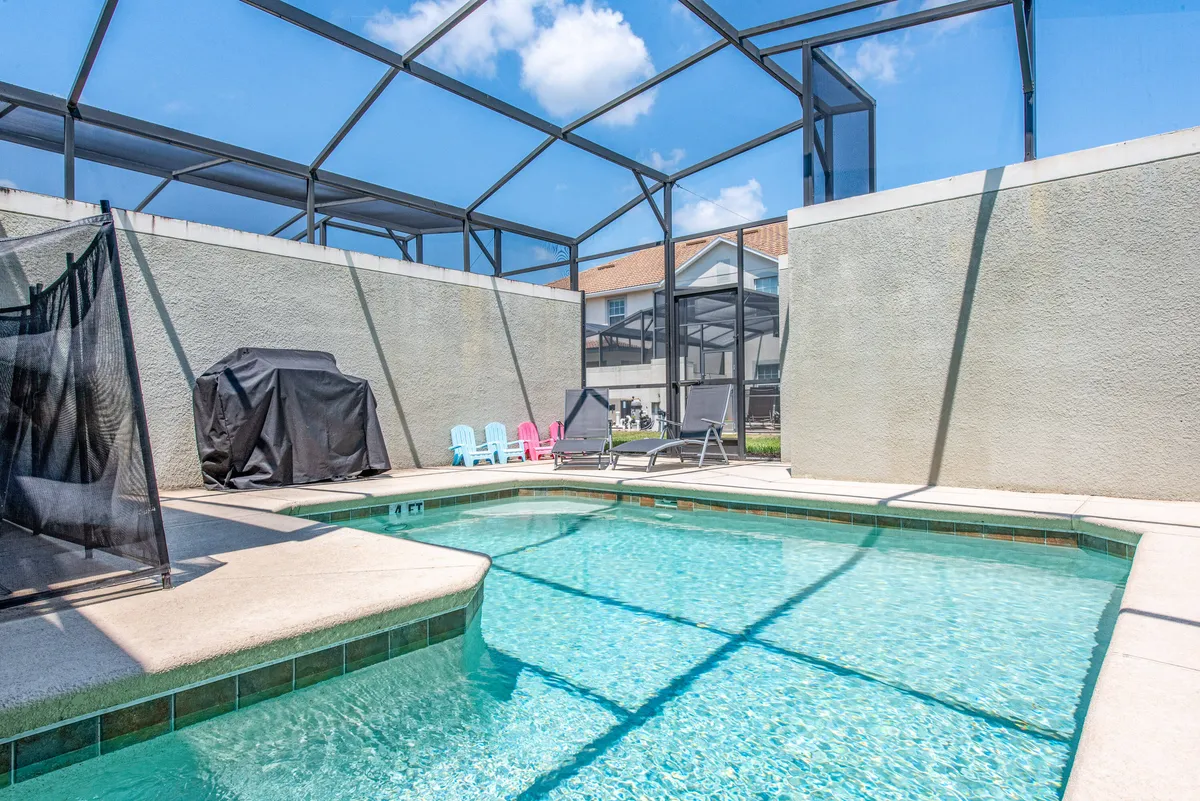
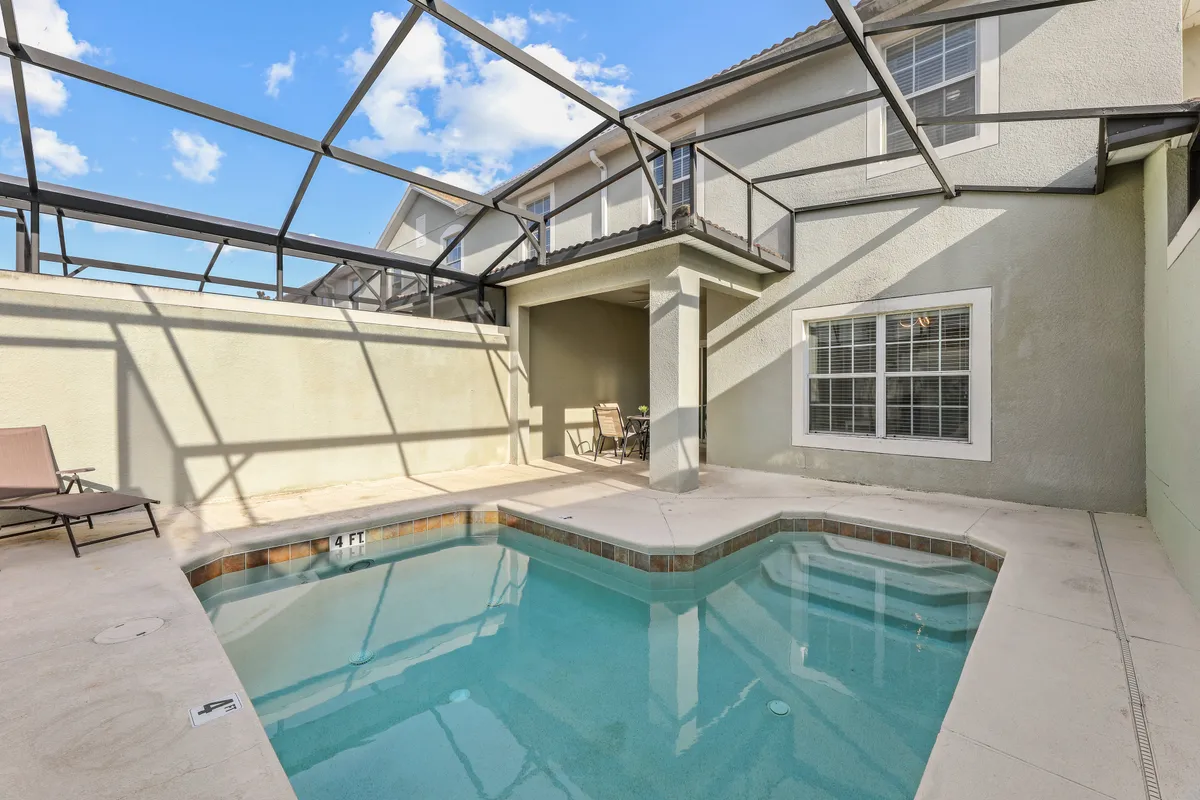
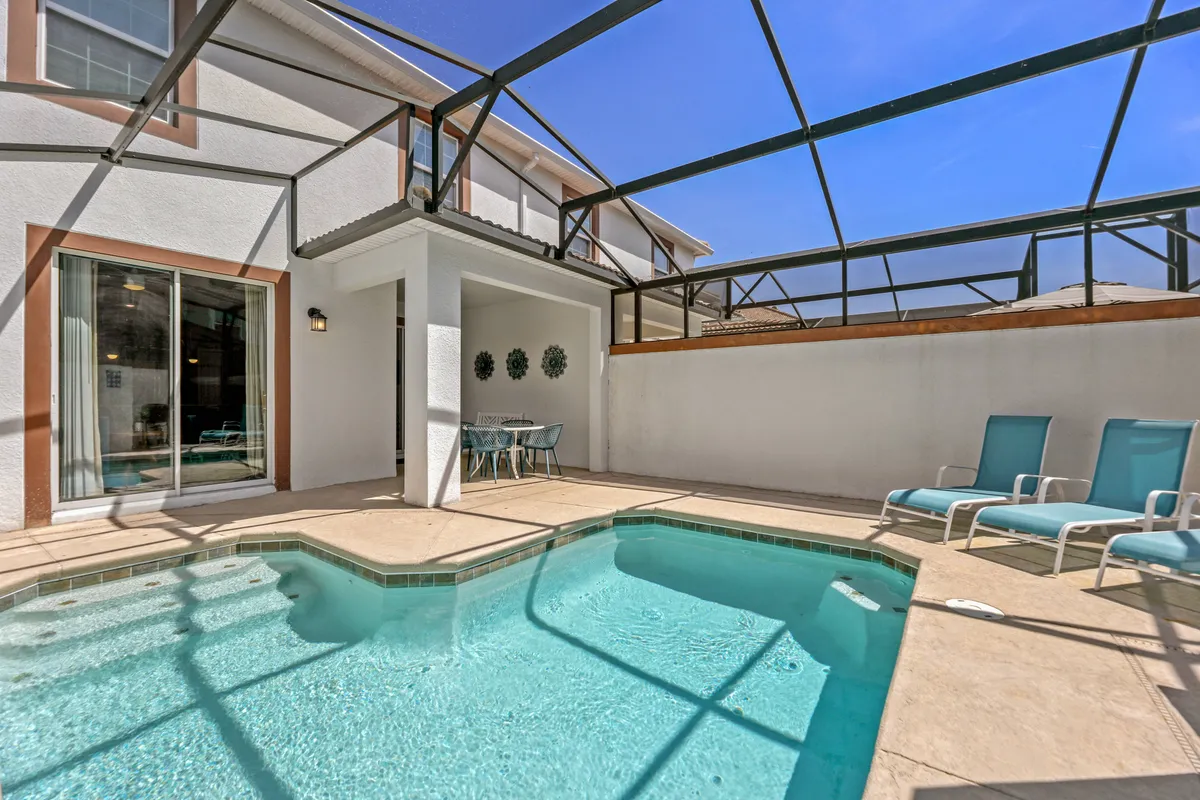
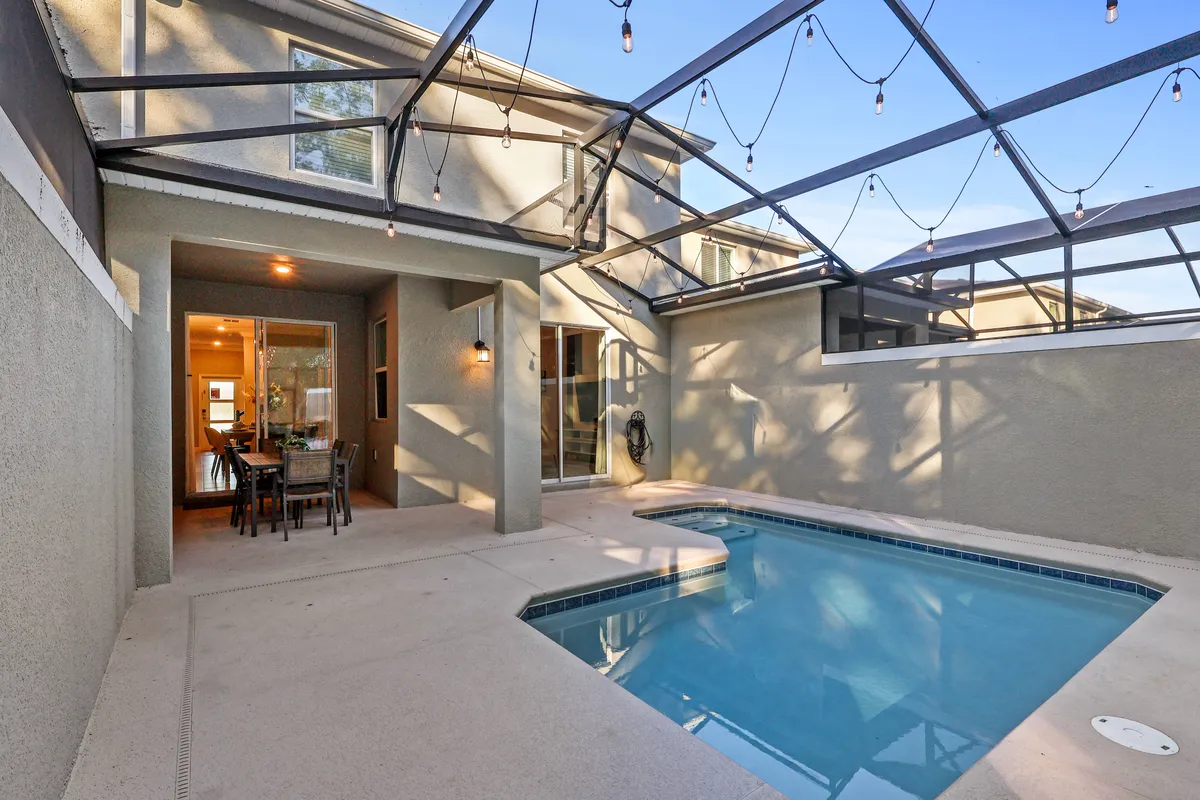
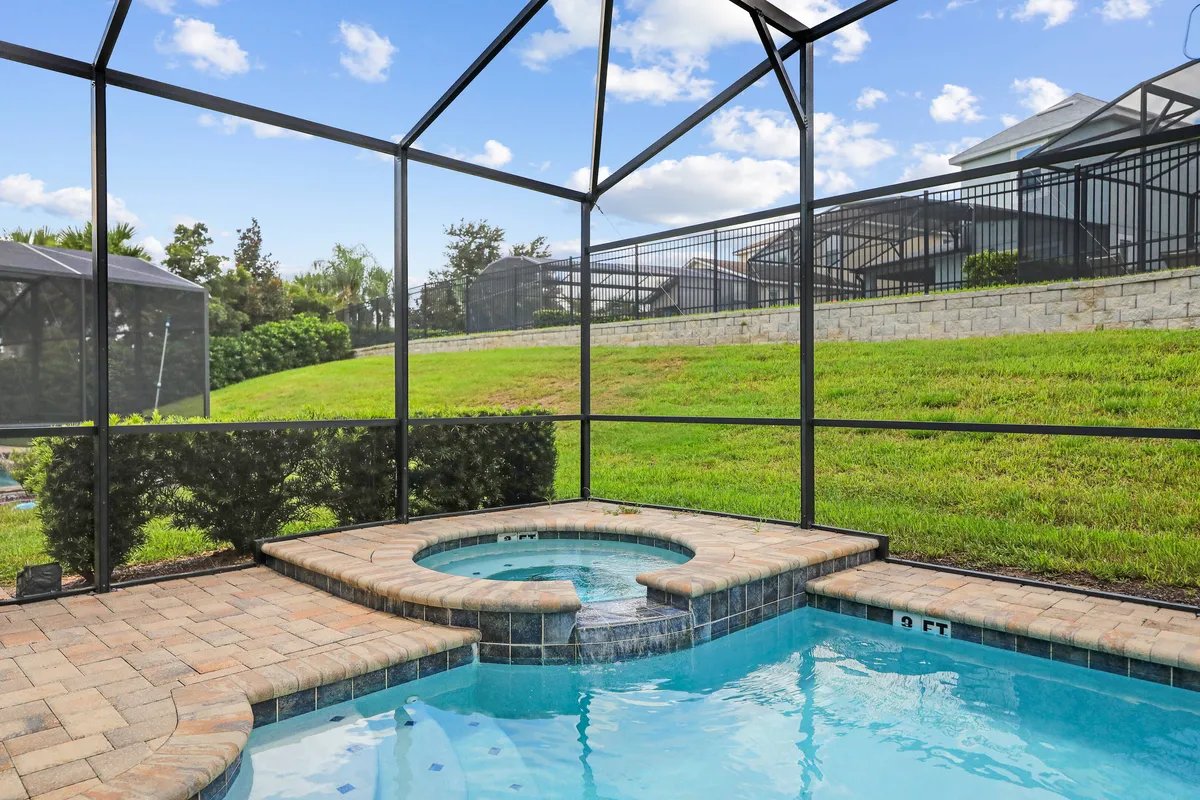
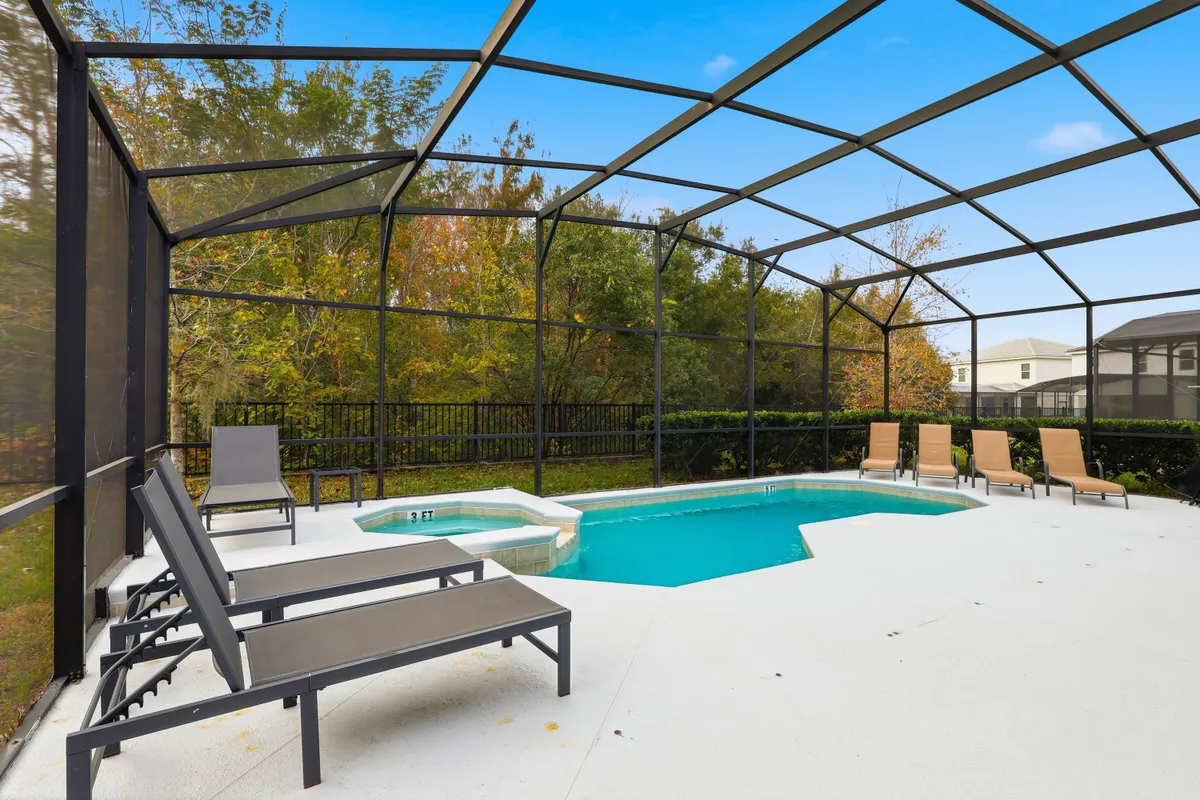
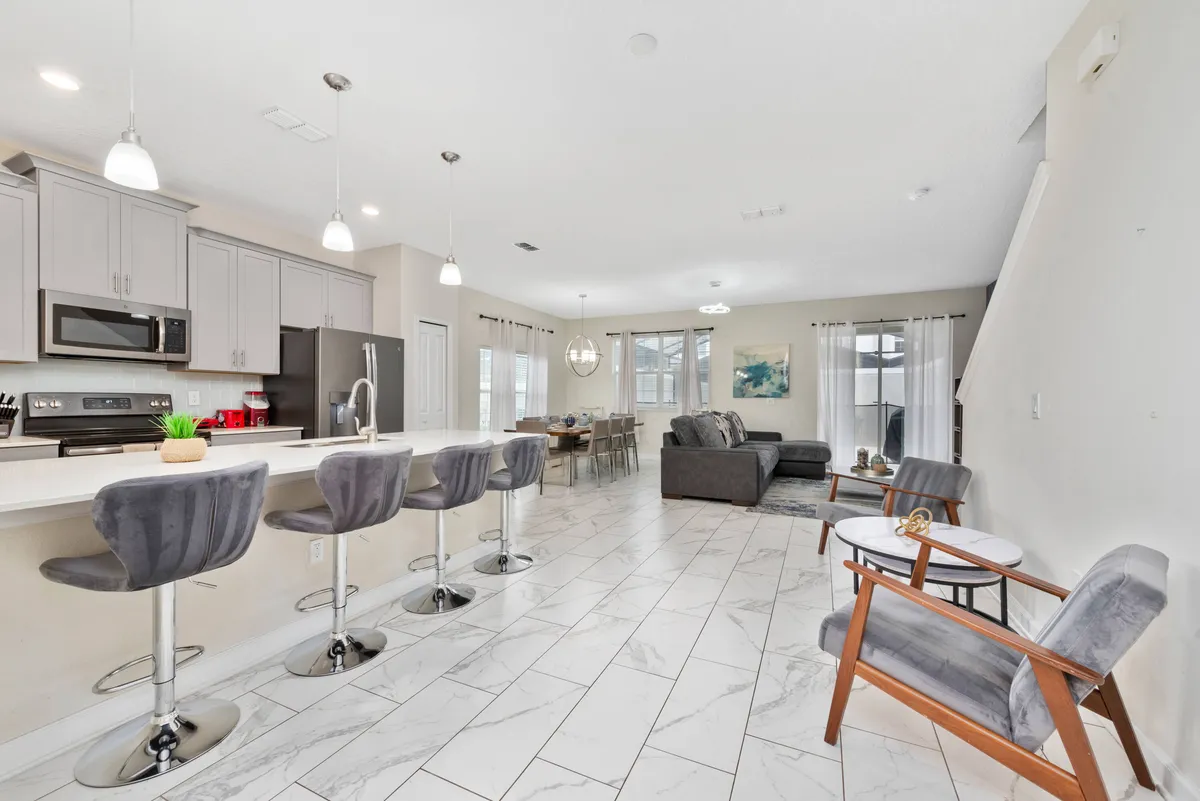
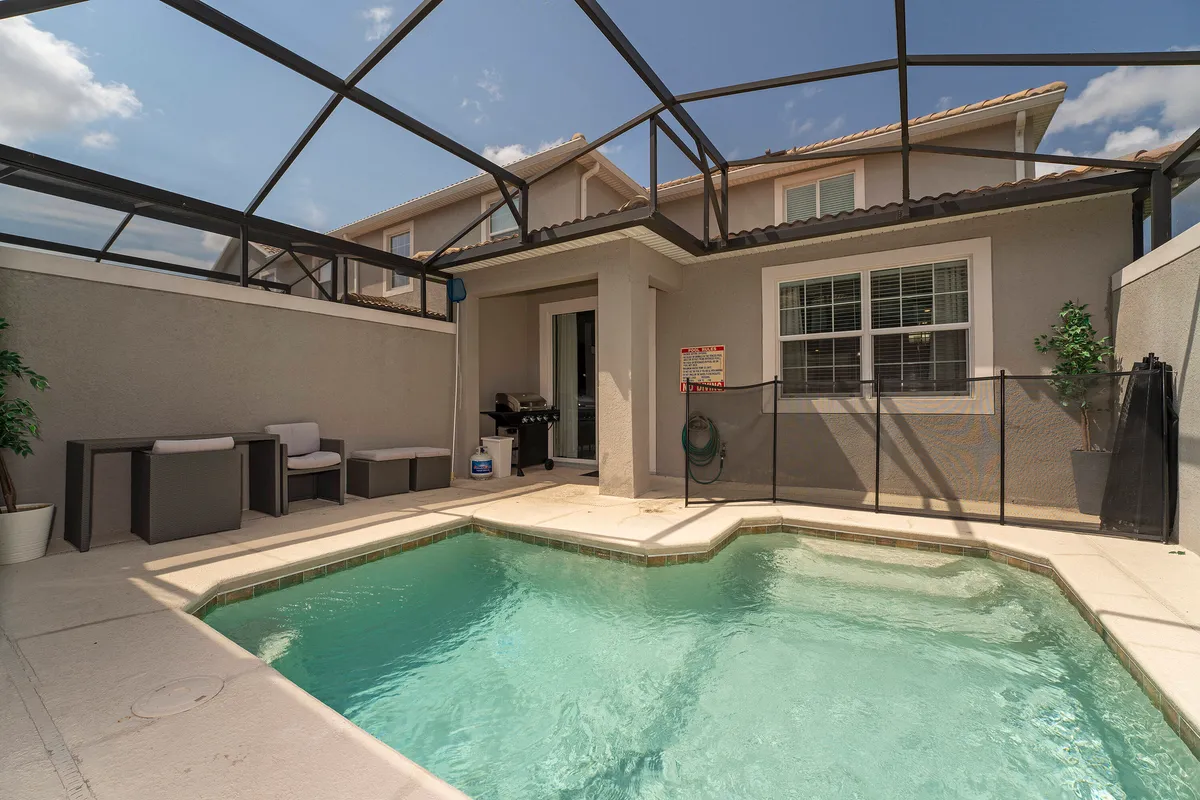
- Go back to the house. The same Disney post suggests heading back to your hotel pool during the hottest part of the day. With a vacation home, that means lunch in your own kitchen, a shower, the private pool and a nap in the AC. After 6 p.m. the heat index drops back into the caution range, and you can return for the fireworks.
In practice: be at the gate for opening, do the outdoor rides until about 11:30 a.m. and leave before the peak. Have lunch at the house, let the kids swim with one adult doing nothing but watching the water, and head back after 6 p.m., rested.
If the kids will be in the pool, read how to keep kids safe at a vacation rental pool first. And if you drove down for summer break, never leave a child in the car, not even for a minute. The CDC says the temperature inside a parked car can rise almost 20 °F in the first 10 minutes, even with a window cracked open.
What should you drink and pack for the Orlando heat?
Water throughout the day, before you are thirsty, plus something salty on long days. The CDC Yellow Book, the federal health guide for travelers, explains that thirst alone does not prevent mild dehydration, but forcing fluids carries its own risk. For many hours of sweating, it suggests replacing salt with salty snacks. For kids, the CDC advises skipping really cold drinks and drinks with too much sugar.
What goes in the backpack:
- A refillable water bottle for the refill stations.
- Sunscreen. The FDA recommends broad spectrum, SPF 15 or higher, reapplied at least every 2 hours and more often when sweating or swimming. The American Academy of Dermatology (AAD) recommends SPF 30 or higher, water resistant, applied 15 minutes before going out, about one ounce (a shot glass) for an adult’s body.
- A wide brimmed hat and sunglasses, also from the FDA, which notes that the sun is strongest from 10 a.m. to 2 p.m.
- Loose, lightweight, light colored clothing, as the CDC advises.
- Babies under 6 months should not wear sunscreen, according to the FDA. Shade and clothing that covers the skin are the protection.
Give your body time. The Yellow Book says most heat acclimatization happens within about 10 days and advises easing off during the first week. If you are coming from up north, Canada or the UK in July, plan lighter park days at the start.
Are kids and seniors at higher risk in the heat?
Yes. The CDC lists young children and adults 65 and older among the groups at highest risk. Young kids depend on an adult to drink water and get out of the sun.
For older adults, the CDC gives three reasons. Their bodies adjust less well to sudden temperature changes. Chronic conditions can change how the body responds to heat. And many prescription medicines affect sweating and temperature control. Anyone on water pills or with a fluid limit should ask their doctor, before the trip, how much to drink in hot weather.
With these groups, a shorter park day and a break at the house become the rule. There is more in what Disney World is like with seniors and what Orlando is like with toddlers. To see homes with a pool near the parks, browse our private pool vacation homes.
A vacation home with a pool for the midday break
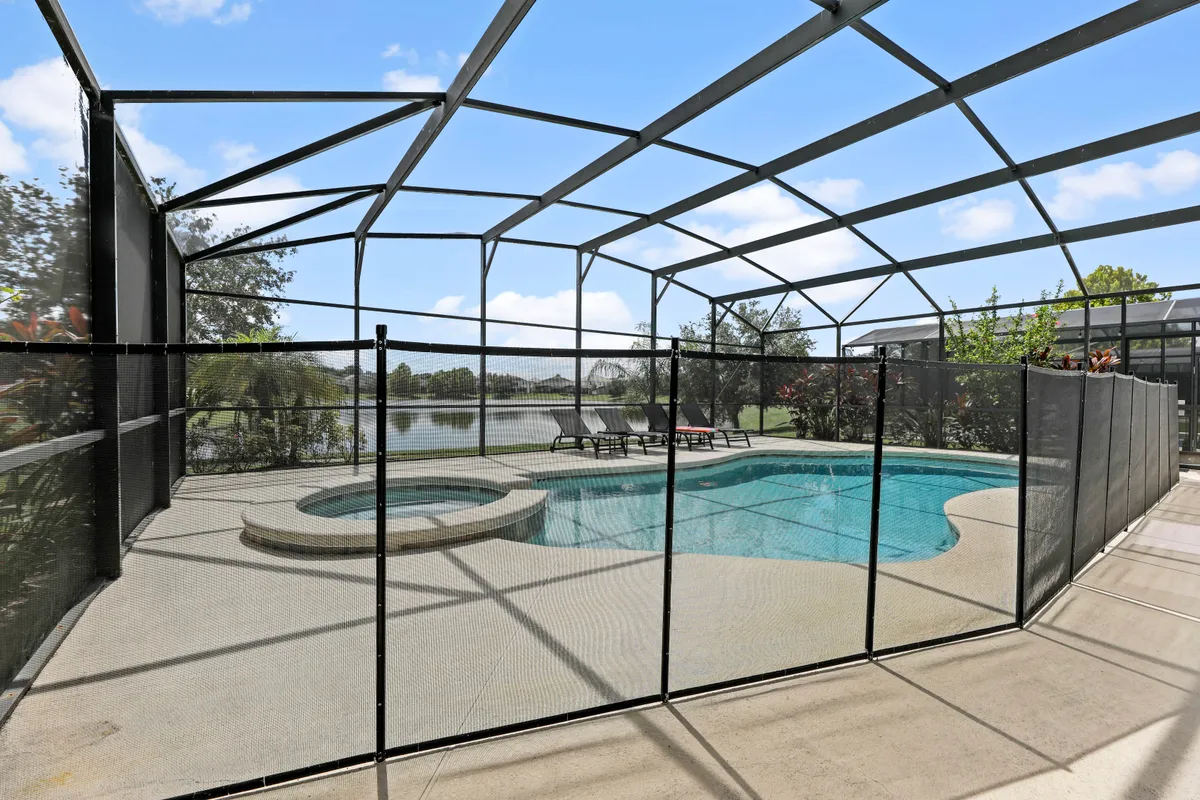
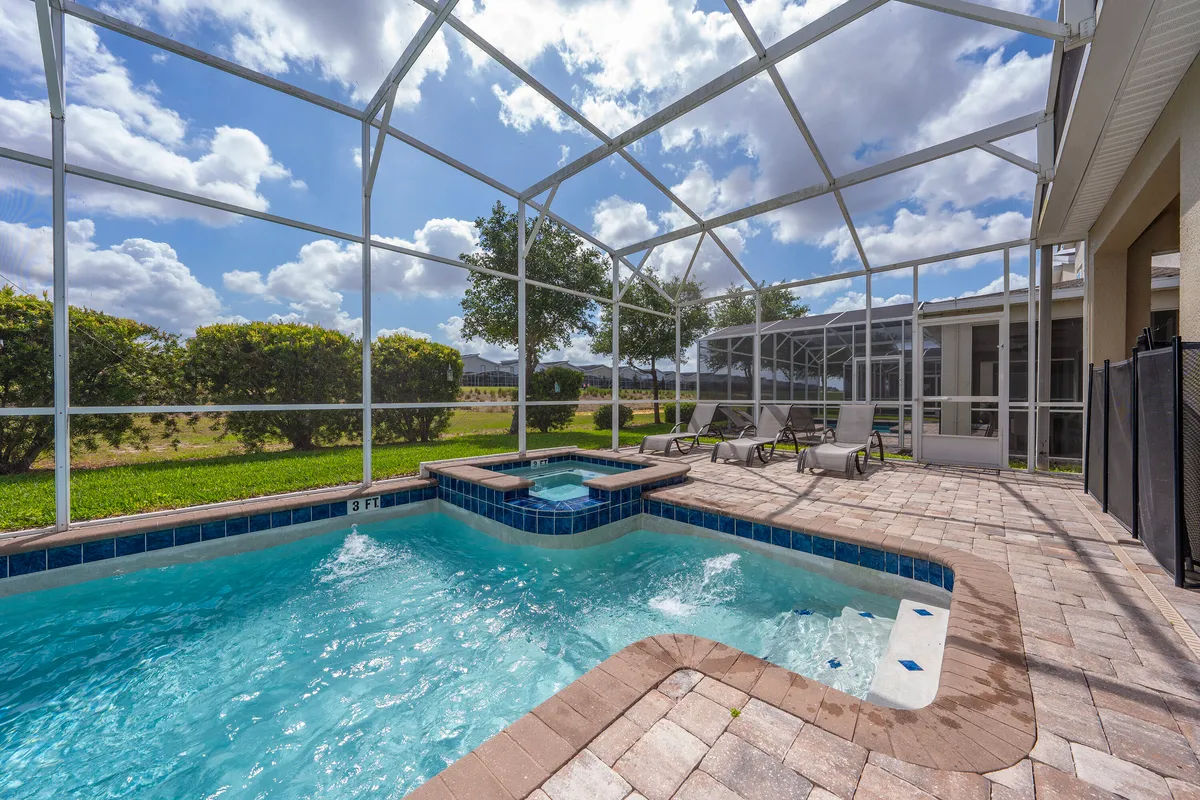
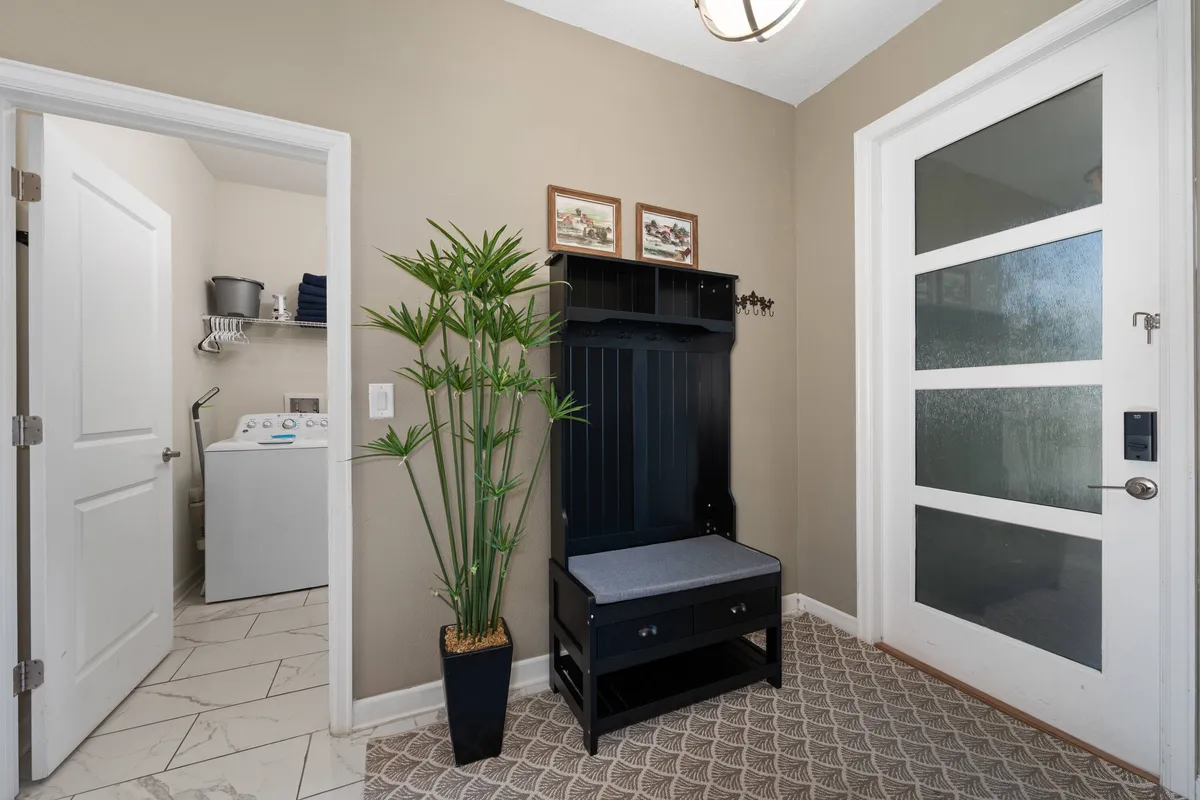
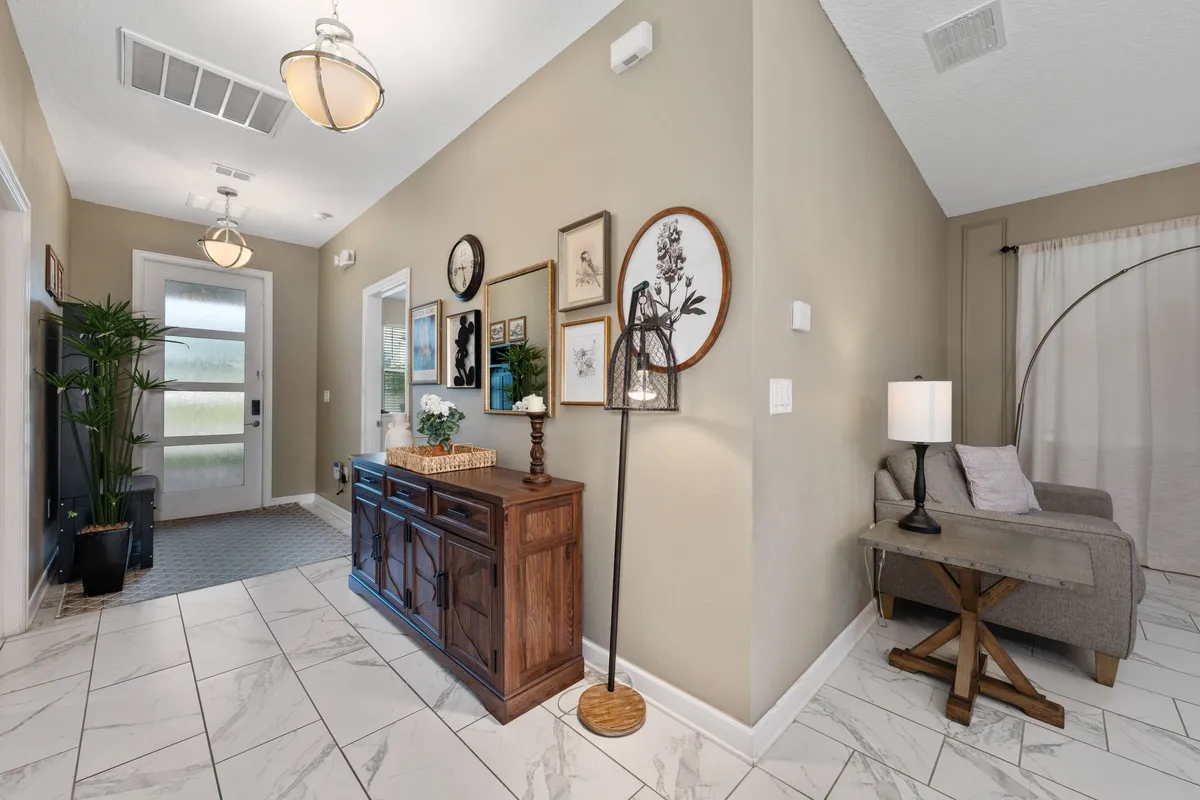
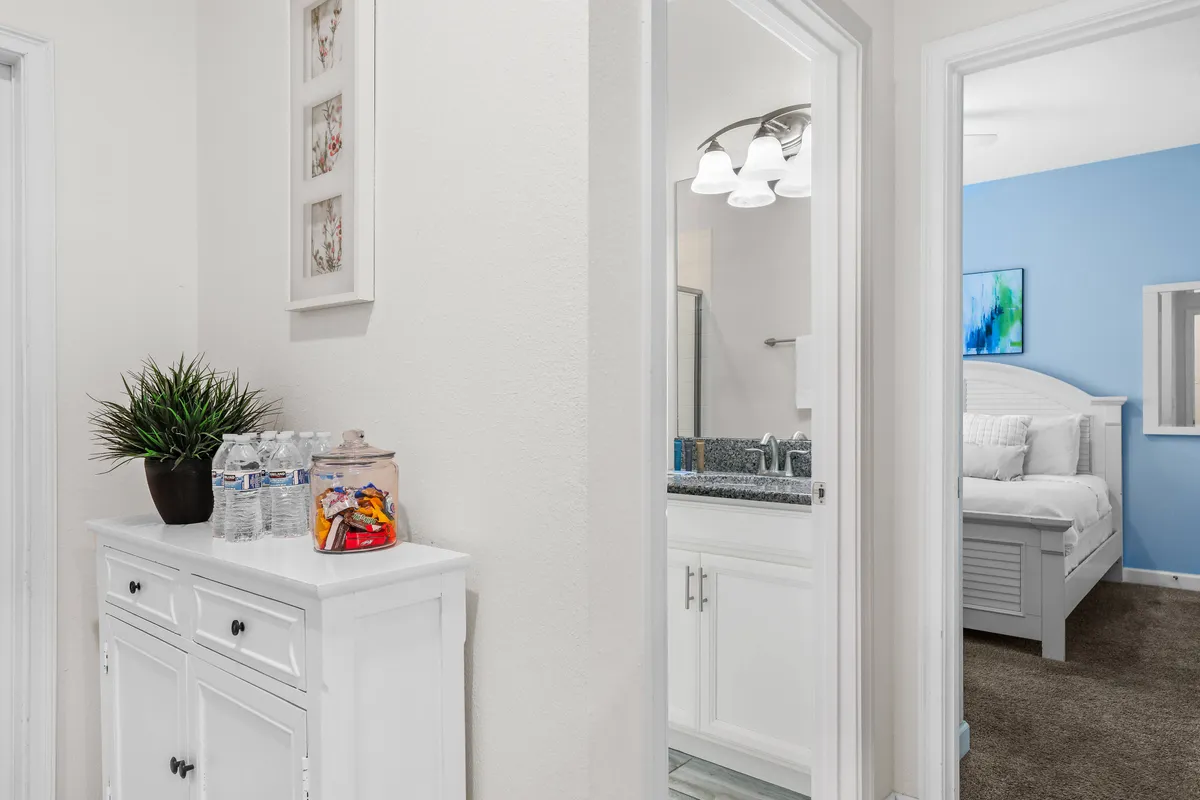
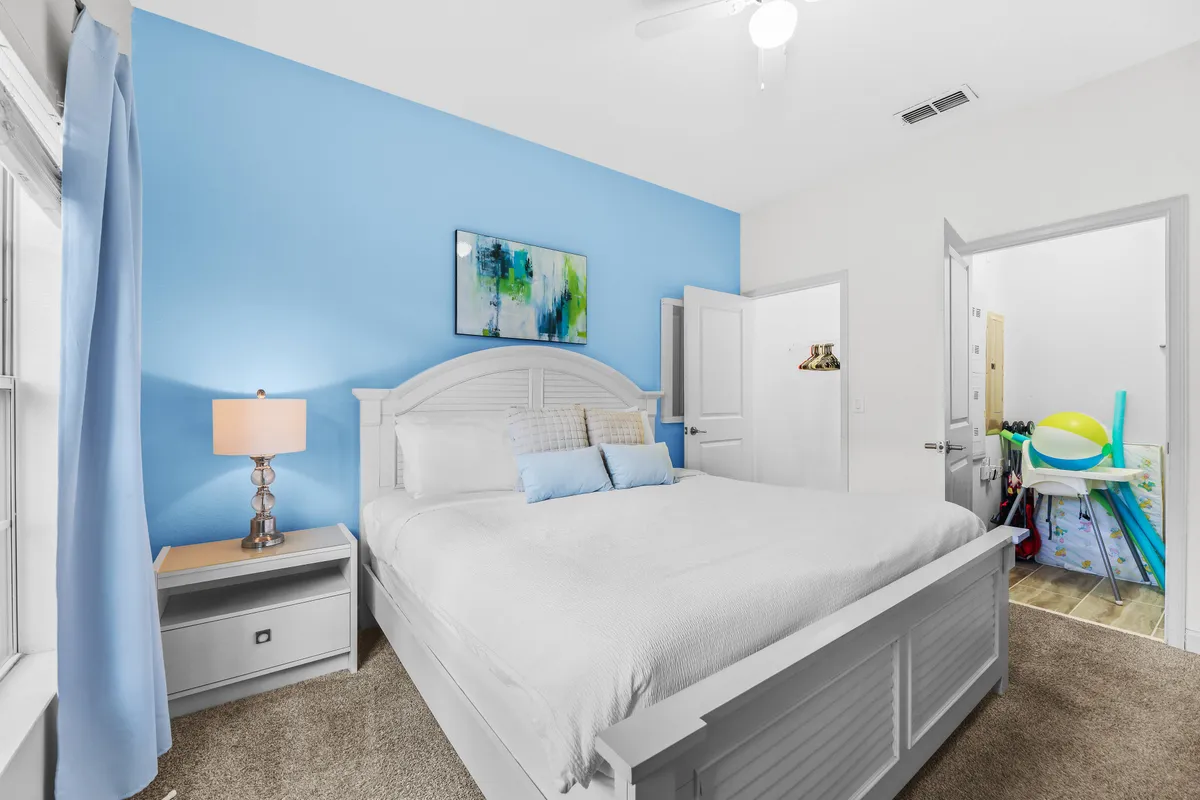
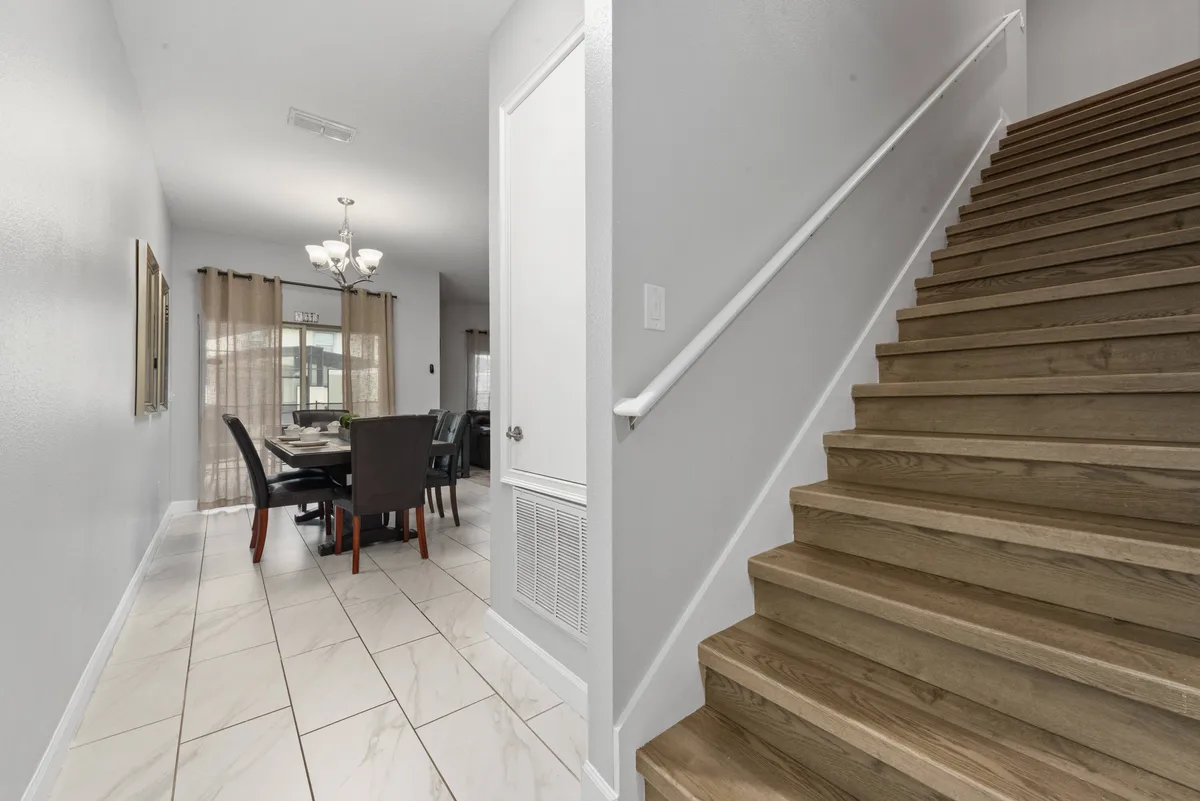
Leave the park at the hottest hour, have lunch at the house and cool off in your private pool before heading back for the evening. Our homes sit in resorts in Kissimmee, Davenport and Orlando, close to the parks, with 24/7 support in English, Portuguese and Spanish.






































Orlando Best Place LLC, a Florida registered company since 2023. 24/7 support in English, Portuguese and Spanish. Final price with cleaning and taxes shown before you pay, with no platform fee.
Sources
- CDC, Heat-Related Illnesses: what to look for and what to do (heat stroke, heat exhaustion, heat cramps, sunburn, heat rash) (accessed October 2026)
- CDC, Heat and Older Adults (aged 65+) (accessed October 2026)
- CDC, Infants and Children and Heat: drinks and hot cars (accessed October 2026)
- CDC Yellow Book, Heat and Cold Illness in Travelers: acclimatization, thirst and salt (accessed October 2026)
- NOAA NCEI, 1991 to 2020 hourly normals, Orlando International Airport (temperature and heat index by hour) (accessed October 2026)
- National Weather Service, What is the heat index and risk categories (accessed October 2026)
- National Weather Service Melbourne, Heat Advisory and Extreme Heat Warning criteria (accessed October 2026)
- National Weather Service Tampa Bay, heat alert criteria (area that includes Davenport) (accessed October 2026)
- Walt Disney World, First Aid (accessed October 2026)
- Walt Disney World, Water Bottle Refill Stations (accessed October 2026)
- Walt Disney World, property rules: glass, cooler size and ice (accessed October 2026)
- Disney Parks Blog, Top Tips to Stay Cool at Walt Disney World Resort (June 2024) (accessed October 2026)
- Universal Orlando Resort, Guide for Safety and Accessibility (October 2025): First Aid staffed by nurses and paramedics (accessed October 2026)
- Universal Orlando Resort official blog, What to Pack for a Day at Universal (May 2025) (accessed October 2026)
- FDA, Sunscreen: How to Help Protect Your Skin from the Sun (accessed October 2026)
- American Academy of Dermatology, How to apply sunscreen (accessed October 2026)
Keep reading
- What is Orlando's weather like month by month? Orlando is warm most of the year. From June to September average highs sit between 90 and 92 °F (32 and 33 °C), with afternoon thunderstorms....
- What is Disney World like with seniors? Disney World works well for seniors if you slow the pace. Inside the parks, wheelchairs rent for $12 a day and ECVs (electric scooters) for $65,...
- What is Orlando like with toddlers? Orlando works well with kids 2 to 6. At Disney, children under 3 do not need a park ticket, and many rides have no height requirement, such as...
- Where is the nearest hospital to your Orlando vacation home? In Kissimmee near US-192, the closest hospitals are AdventHealth Celebration, AdventHealth Kissimmee and HCA Florida Osceola, about 10 minutes...