
How to keep kids safe at a vacation rental pool?
Stack several layers: one adult who only watches the water, switching every 15 minutes; alarms on the doors that open to the pool; a fence or safety cover when the home has one; and never floaties as protection. CPSC data show 59% of pool drowning deaths of kids under 5 began when an adult lost track of the child.
In this article
- Why does a vacation rental pool need extra attention?
- What is a water watcher, and how do you take turns?
- Door alarms, fences and covers: what does Florida law require?
- Are floaties or water wings enough?
- Do swim lessons help?
- Can kids use the hot tub?
- What about sunscreen, afternoon storms and night swims?
Have your dates? See the final price of our homes for your stay, cleaning and taxes included, before you pay.
A private pool is one of the best reasons to pick a vacation home over a hotel. With kids along, it also calls for a short family plan before the first cannonball. This is not about fear. It is about a routine, and the routine is simple.
Why does a vacation rental pool need extra attention?
Because your child is in an unfamiliar house, the pool is a few steps from the living room, and the adults are in vacation mode. According to the CDC, more children ages 1 to 4 die from drowning than from any other cause in the United States. The Florida Department of Health says drowning is the leading cause of accidental death for that age group in the state, that home swimming pools are where most children are likely to drown, and that Florida leads the country in drowning deaths of children ages 1 to 4.
The U.S. Consumer Product Safety Commission (CPSC) publishes a pool and spa drowning report every year. The 2026 edition counts an average of 376 deaths a year of children under 15 from 2021 to 2023, and 77% of them were younger than 5. In May 2026, the CPSC’s Pool Safely campaign said it knew of at least 64 drownings of children under 15 in vacation rental homes since 2021, 54 of them fatal. The campaign adds that the risk deserves even more care when kids are not used to having a pool at home.
| Children under 5 who drowned in a pool or spa (U.S., 2021 to 2023) | % |
|---|---|
| Where: their own home | 60 |
| Where: home of a relative, friend or acquaintance | 19 |
| Where: a neighbor’s home | 5 |
| Where: public, community or business pool | 8 |
| Where: location not reported | 8 |
| How: an adult lost track of the child, who then reached the water | 59 |
| How: child was seen in or near the pool shortly before | 13 |
| How: the barrier failed or was bypassed | 10 |
| How: not enough information | 19 |
Source: CPSC, Pool or Spa Submersion, 2026 report. Each block adds up to about 100% after rounding.
The “how” rows matter most. In most cases the child was not swimming with a parent. They wandered off, found an open door and reached the water with nobody watching.
What is a water watcher, and how do you take turns?
A water watcher is the one adult whose only job, for that shift, is watching the kids in the pool. No book, no phone, no grill, no drinks. The CDC asks that this adult stay free of distractions, including alcohol, and Pool Safely suggests handing off the job every 15 minutes so attention stays sharp.
It works best when the family agrees on it ahead of time:
- Set the shift order at breakfast, not at the pool’s edge.
- Pass a token from hand to hand, like a lanyard or a cap, so everyone knows who is on duty.
- Say the handoff out loud: “You’re on.” Nobody leaves the post until the next person takes over.
- For a child who cannot swim, the American Academy of Pediatrics (AAP) recommends “touch supervision”: an adult within arm’s reach.
A full house with lots of adults around is the trickiest moment. Everyone assumes somebody else is watching.
Door alarms, fences and covers: what does Florida law require?
Florida law requires every new residential pool to have at least one safety feature, not all of them. The rule is the Residential Swimming Pool Safety Act, chapter 515 of the Florida Statutes, passed in 2000. It covers pools at detached one or two family homes and at single family townhouses up to three stories, which includes most vacation homes. It is checked at the final inspection when the pool is built. The options in the 2026 version of the law are:
| Option (section 515.27) | What it means |
|---|---|
| Barrier | A fence or wall at least 4 feet (1.22 m) high around the pool, with no gaps to crawl through or climb, and a gate that opens outward, self-closes and self-latches |
| Approved safety cover | A manual or power safety cover that meets ASTM standards |
| Door and window alarms | On every door and window with direct access to the pool, at least 85 dB measured 10 feet away |
| Self-closing doors | Doors that close and latch on their own, with the release at least 54 inches above the floor |
| In-pool alarm | A device that sounds when someone enters the water (ASTM F2208) |
Source: Florida Statutes, sections 515.25, 515.27 and 515.29.
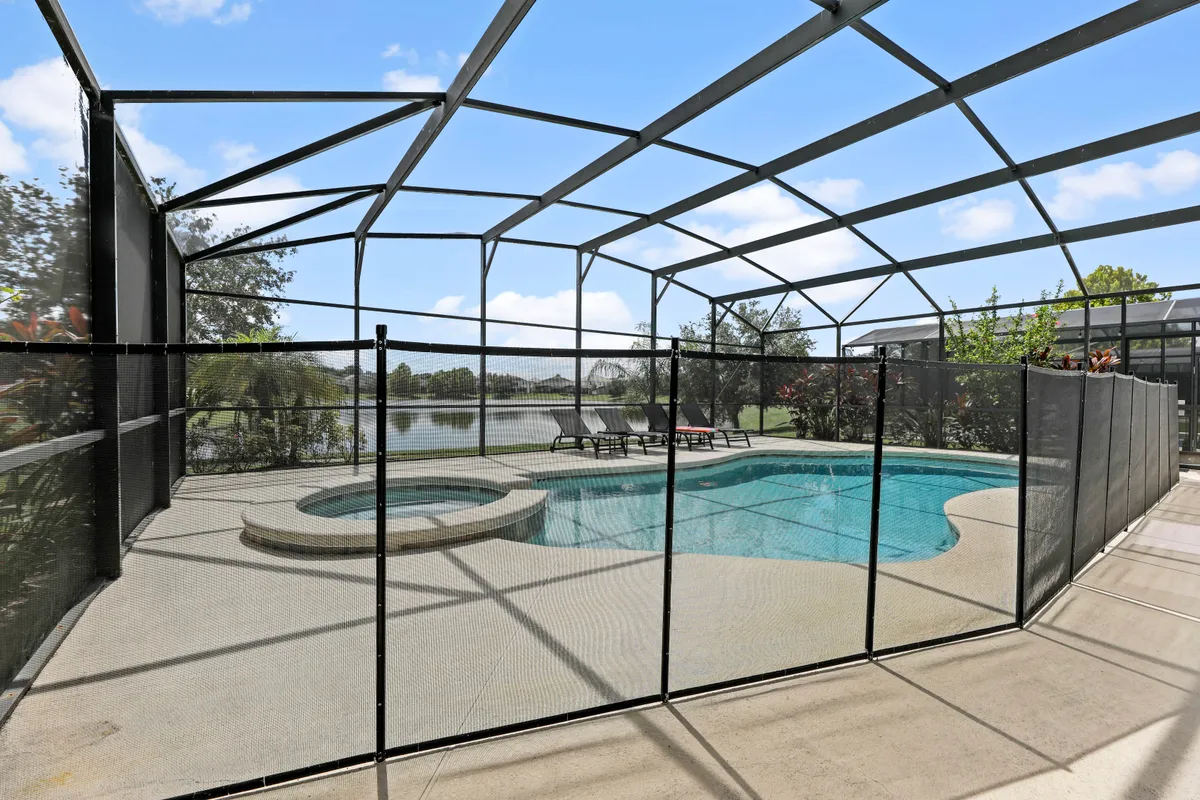
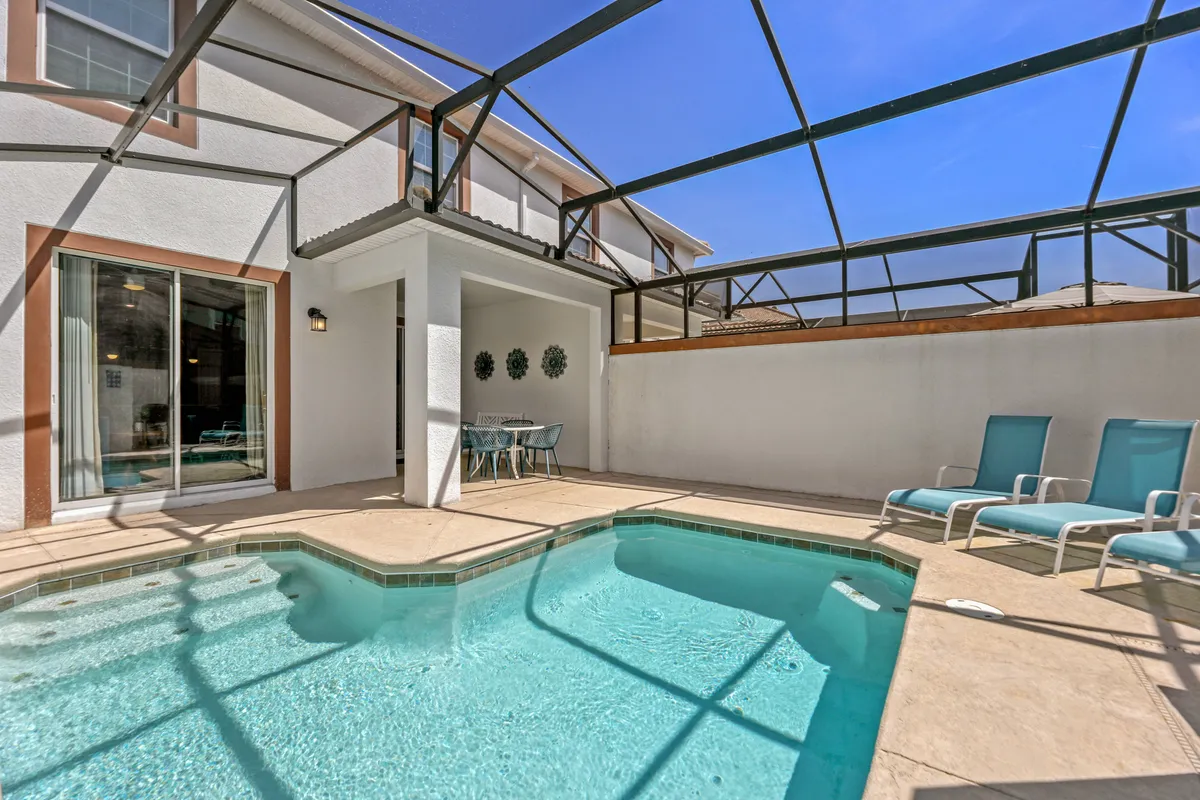
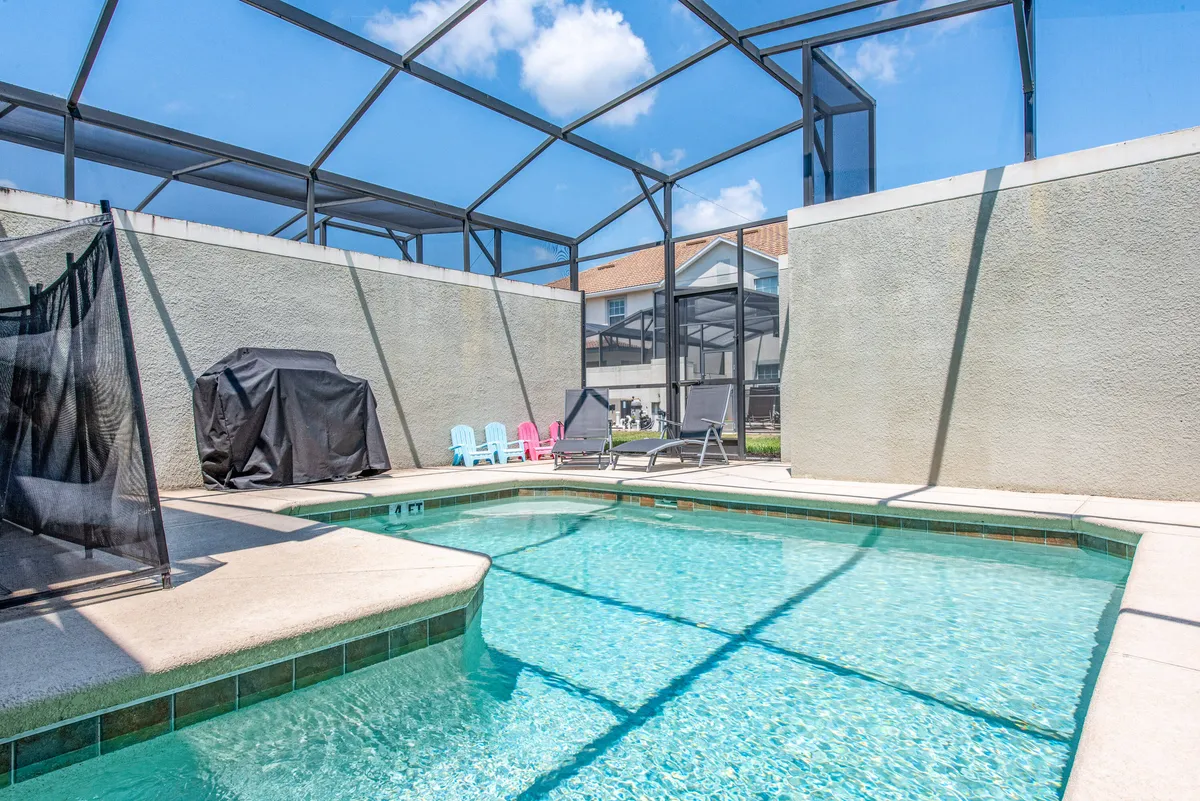
Two practical takeaways. First, a home can comply with door alarms alone and have no fence at all. Second, the law only counts a house wall as part of the barrier if it has no door or window opening to the pool. When the pool sits inside the lanai (the screened pool enclosure common on Orlando homes) and the living room sliders open straight onto it, the screen does not keep a toddler away from the water.
What to check when you arrive
Walk the house in the first 10 minutes, before you unpack:
- Open every door to the lanai and make sure the alarm sounds. If it does not, tell the property manager right away.
- Test the door closers and the latch on the screen door that leads to the yard.
- Look for chairs, tables or planters near the doors that a child could climb to reach a latch.
- Pull toys out of the pool when nobody is swimming. The CDC advises removing toys that draw children to the water.
- Make sure the drain covers in the pool and hot tub are in place. Pool Safely says never to swim if a cover is loose or missing.
What about a removable mesh pool fence?
Some vacation homes have a removable child safety fence around the pool, and some property managers offer one. The AAP and the CDC recommend a fence on all four sides, at least 4 feet high, with a self-closing, self-latching gate. If this matters for your trip, ask before booking whether the home has a pool fence, door alarms or a pool alarm. The Orlando Best Place team answers 24/7 in English, Portuguese and Spanish on WhatsApp at +1 (407) 719-1493. Rules for the resort’s shared spaces, like the clubhouse pool, are in the rules at Orlando vacation home resorts.
Are floaties or water wings enough?
No. Water wings, swim rings and inflatable toys are not safety devices, according to the CDC and the AAP. They can deflate and they do not prevent drowning. If your child cannot swim, use a real life jacket, and keep an adult watching the whole time anyway.
Do swim lessons help?
Yes, but they do not replace an adult. The AAP says children can start swim lessons after their first birthday, depending on readiness, and the CDC says formal lessons lower drowning risk. Both stress that kids who can swim still need supervision. If your trip is a few months out, signing up for lessons at home now is a good move. Once you are in Orlando, your kids will want to spend every afternoon in the water.
In practice: before the first swim, gather the adults for five minutes. Set the water watcher schedule, test the door alarms and agree on one simple rule with the kids: nobody goes out to the lanai without calling a grown-up.
Can kids use the hot tub?
Children under 5 should not use a hot tub, according to the CDC. For older kids, the water should not go above 104 °F (40 °C). When a home has a spa attached to the pool, it is small, shallow and warm, which makes it look harmless to little ones. The AAP advises covering and locking hot tubs right after use. For pool temperatures and what heating costs, see how much pool heat costs in Orlando.
What about sunscreen, afternoon storms and night swims?
The Florida sun burns fast. The AAP recommends a broad-spectrum sunscreen with SPF 15 to 50, reapplied every 2 hours and after swimming or toweling off. It also advises limiting sun between 10 a.m. and 4 p.m. and keeping babies under 6 months out of direct sunlight.
In summer, storms tend to build in the afternoon. The National Weather Service office in Melbourne, which covers Orlando, says to get out of the pool at the first thunder and stay inside until 30 minutes after the last clap. The lanai screen is not lightning shelter.
At night, swim only with the pool lights on and a water watcher on duty, just like during the day. When swim time ends, close and lock the lanai doors, as the CDC advises. A child who wakes up at night in an unfamiliar house may go exploring.
For the rest of the trip by age, read Orlando with toddlers and Orlando with a baby. When you are ready to pick a home, browse the vacation homes with a private pool.
Vacation homes with a private pool for families with kids
The private pool is the best part of a vacation home when the family agrees on the rules before the first swim. Want to know if a home has door alarms or a pool fence? Ask us on WhatsApp, 24/7 in English, Portuguese and Spanish.
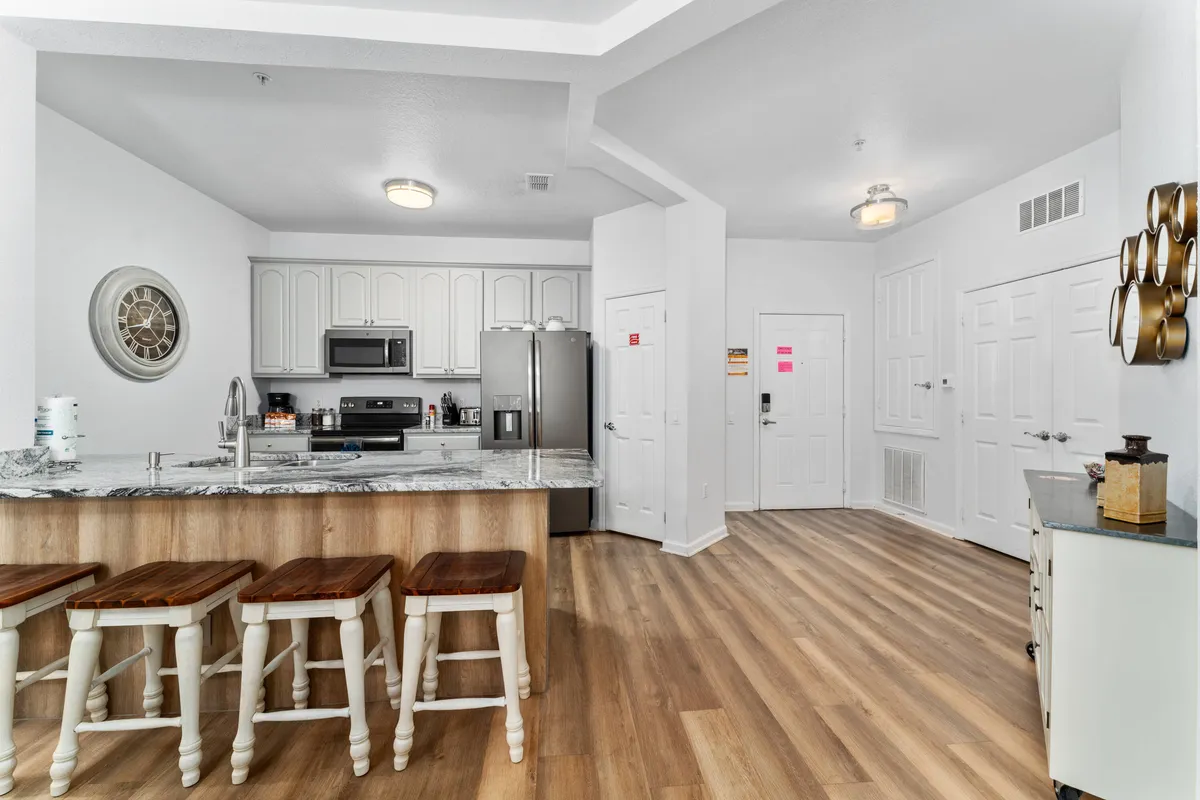
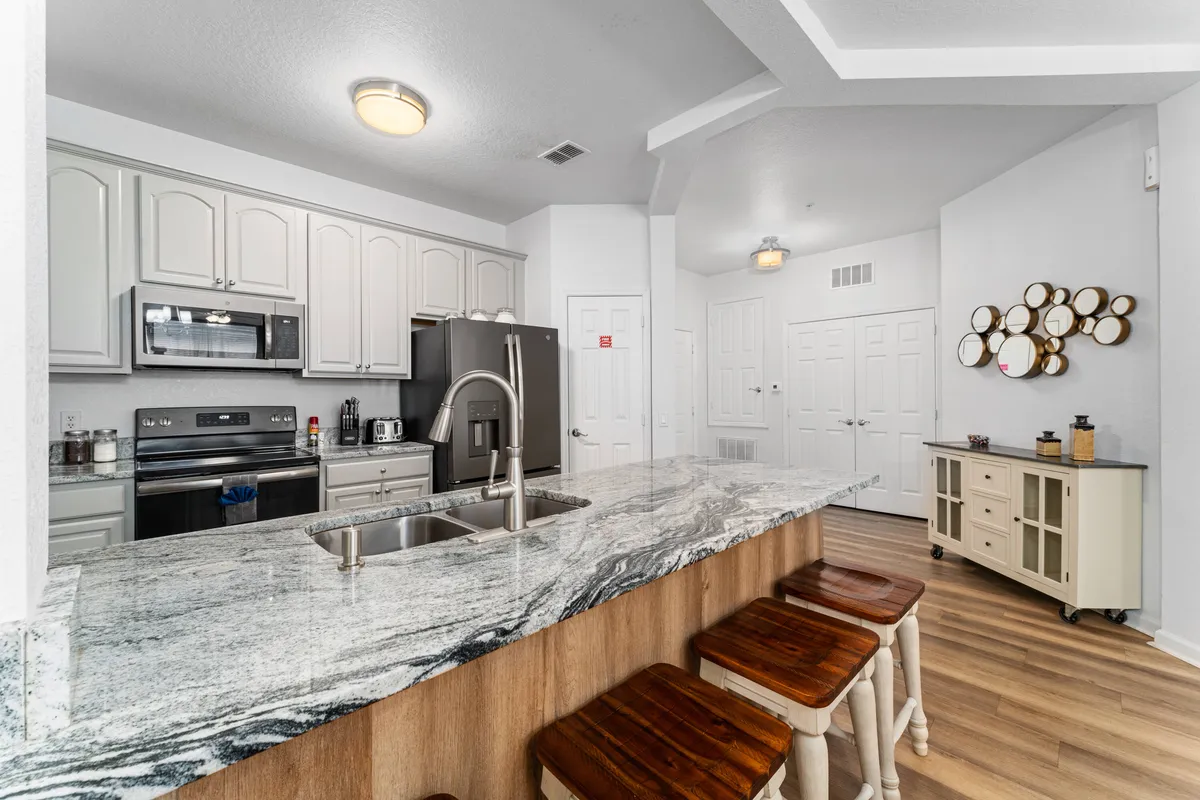
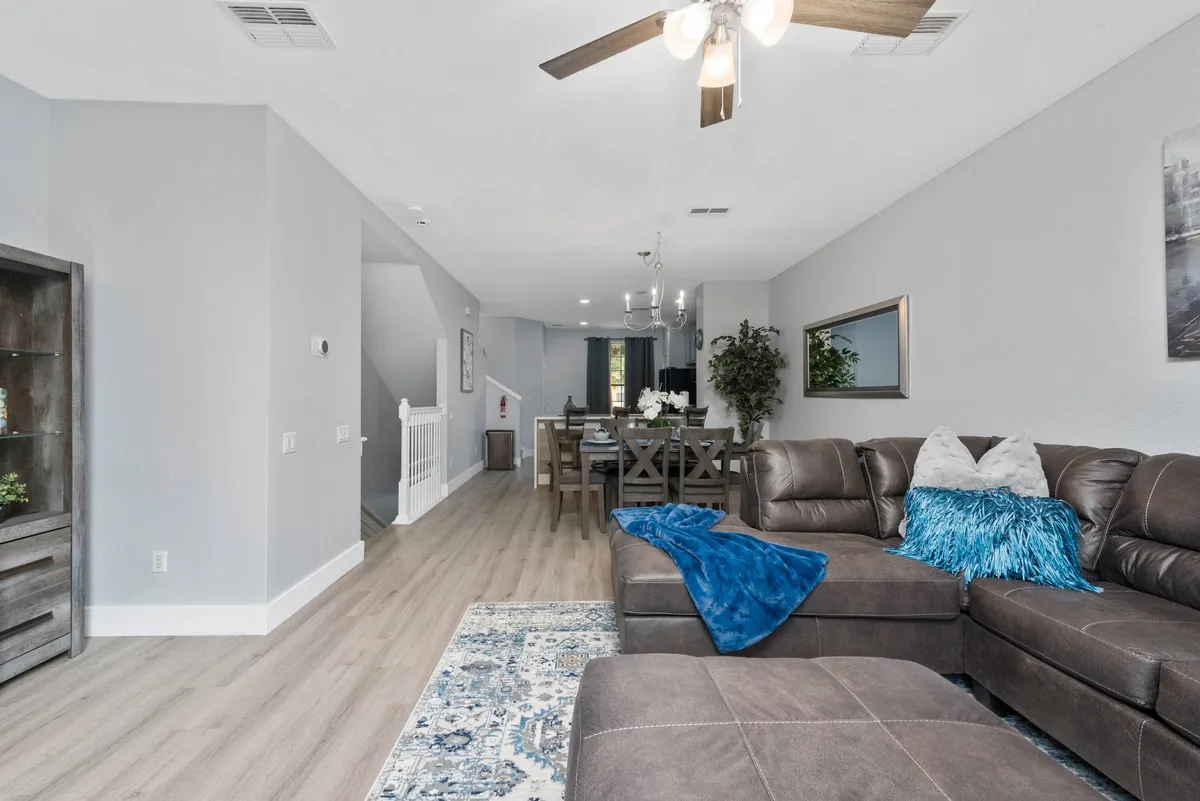
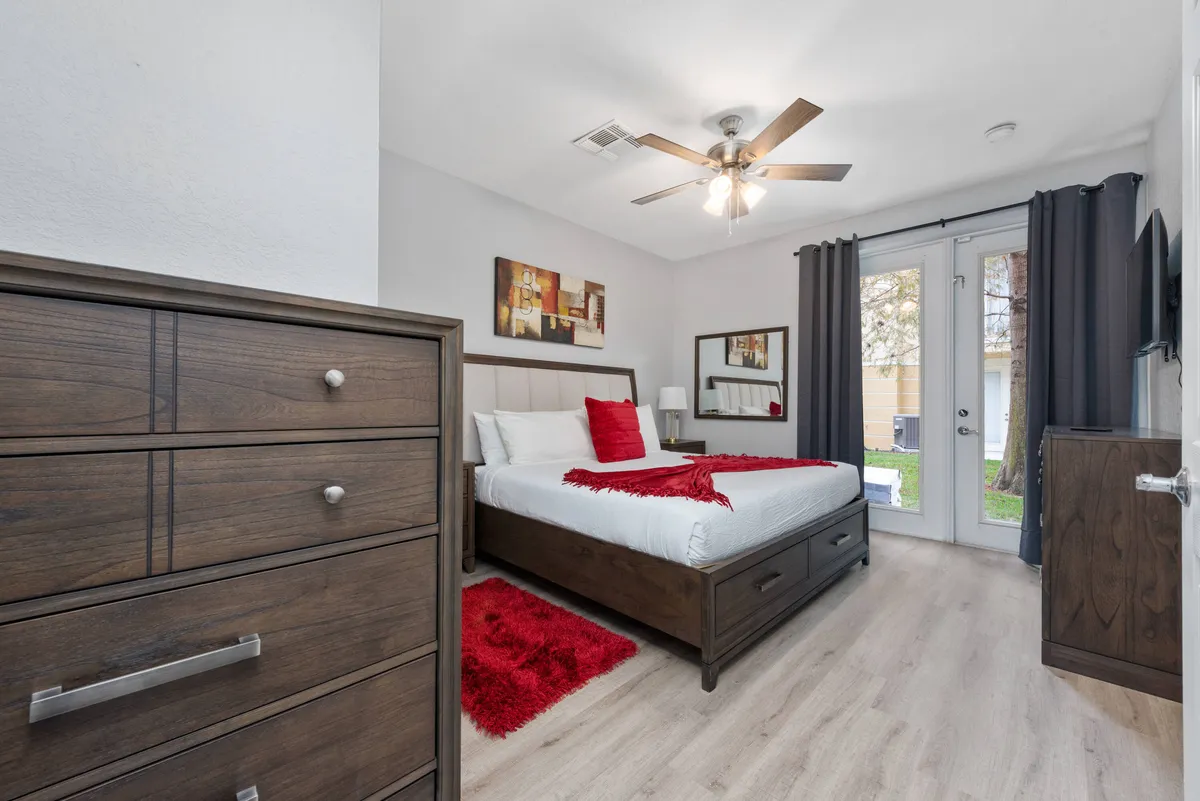
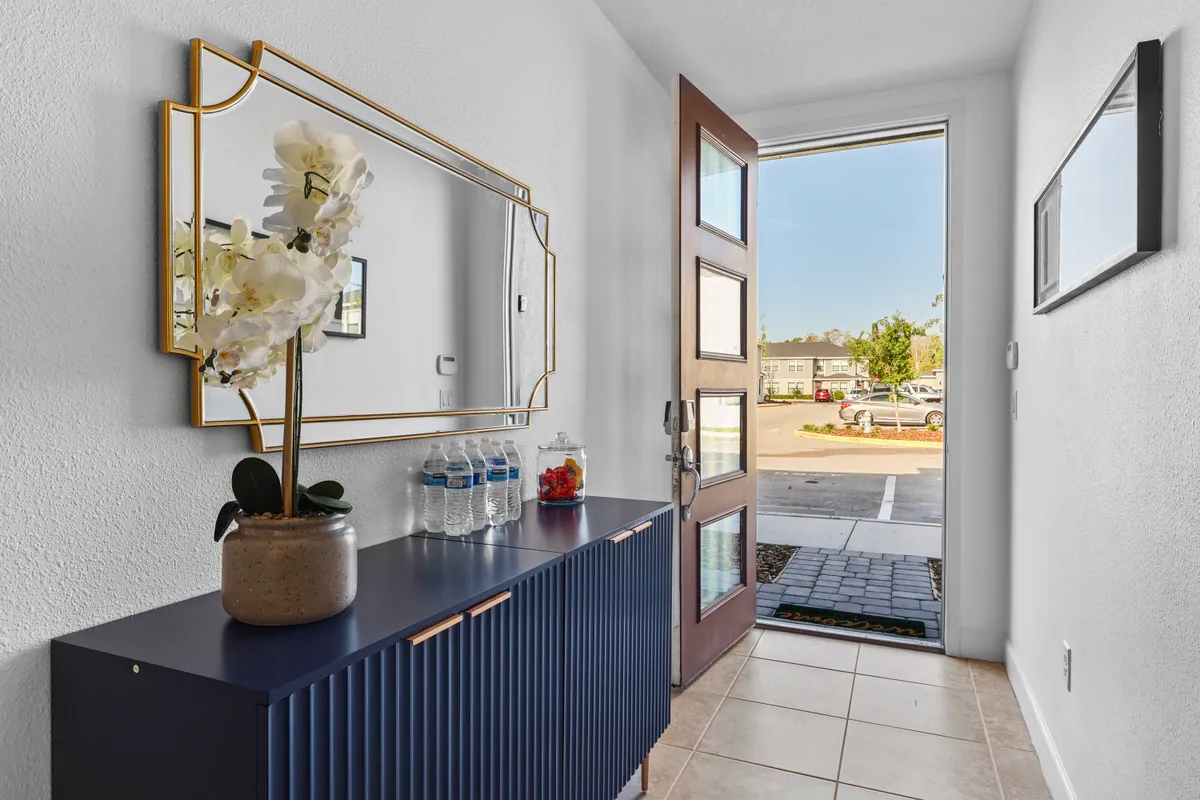
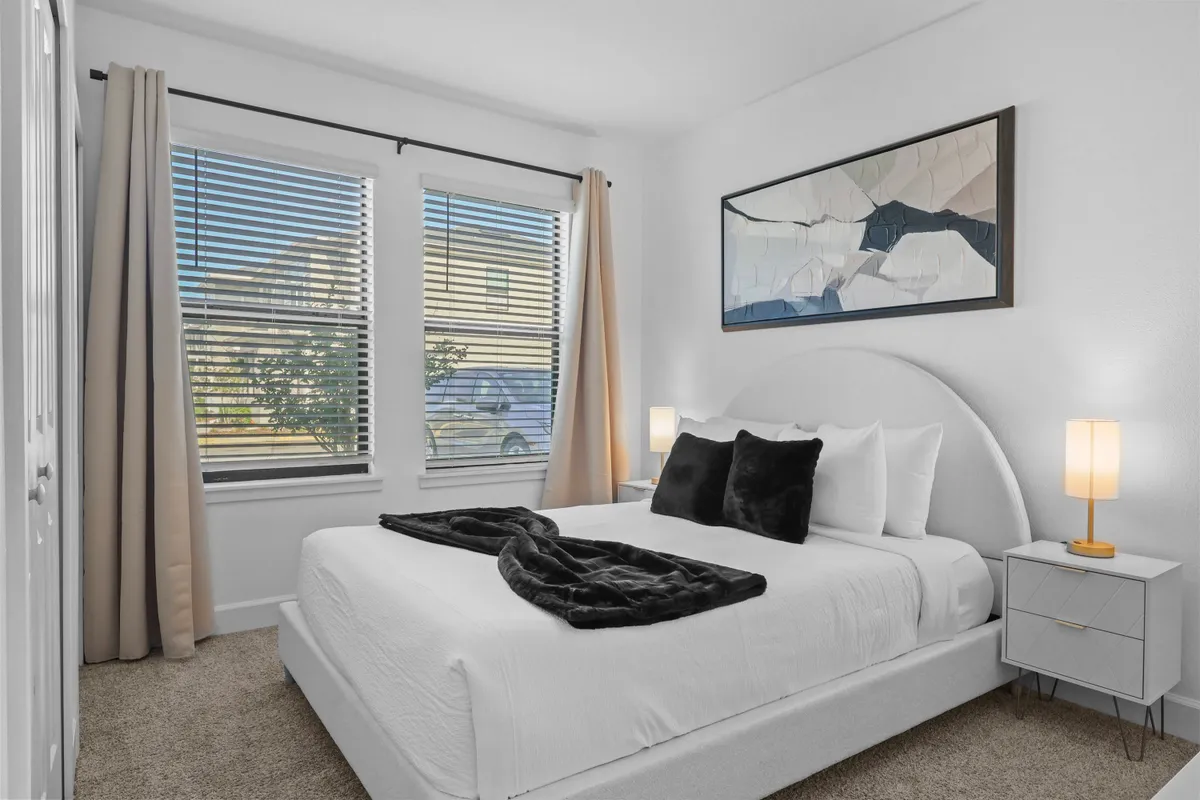
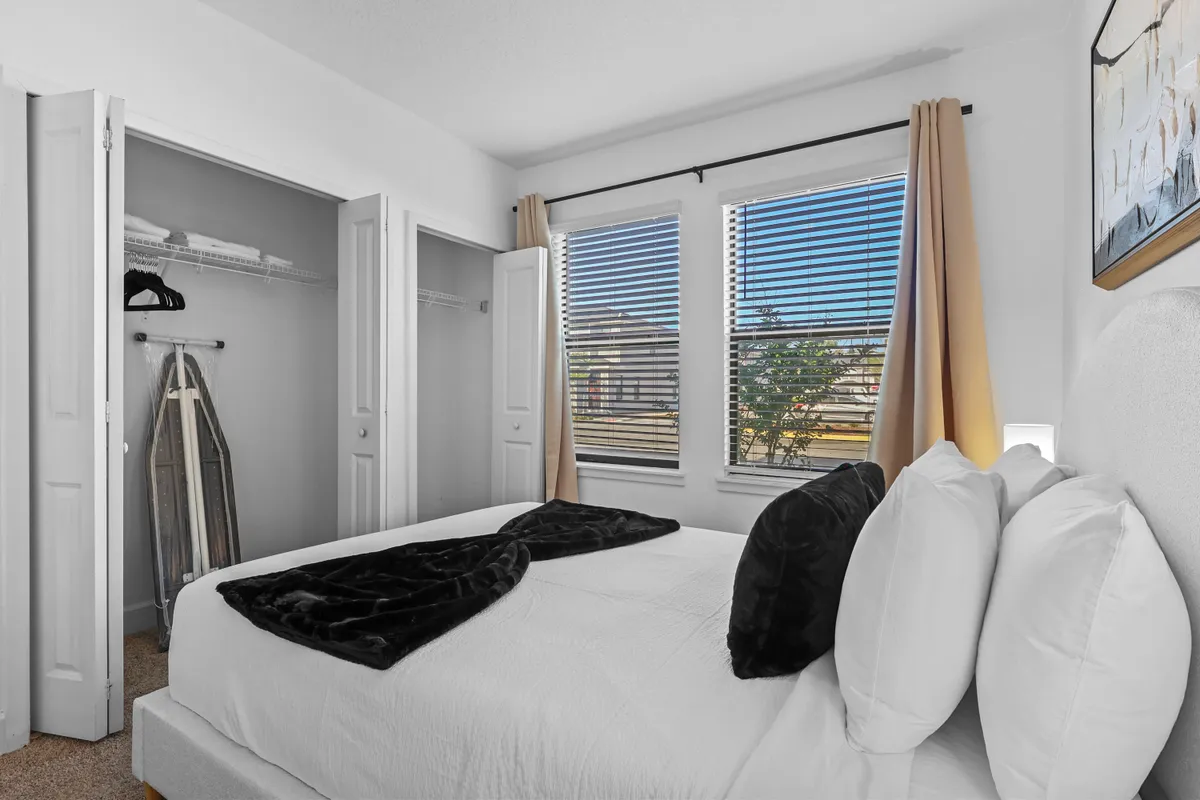
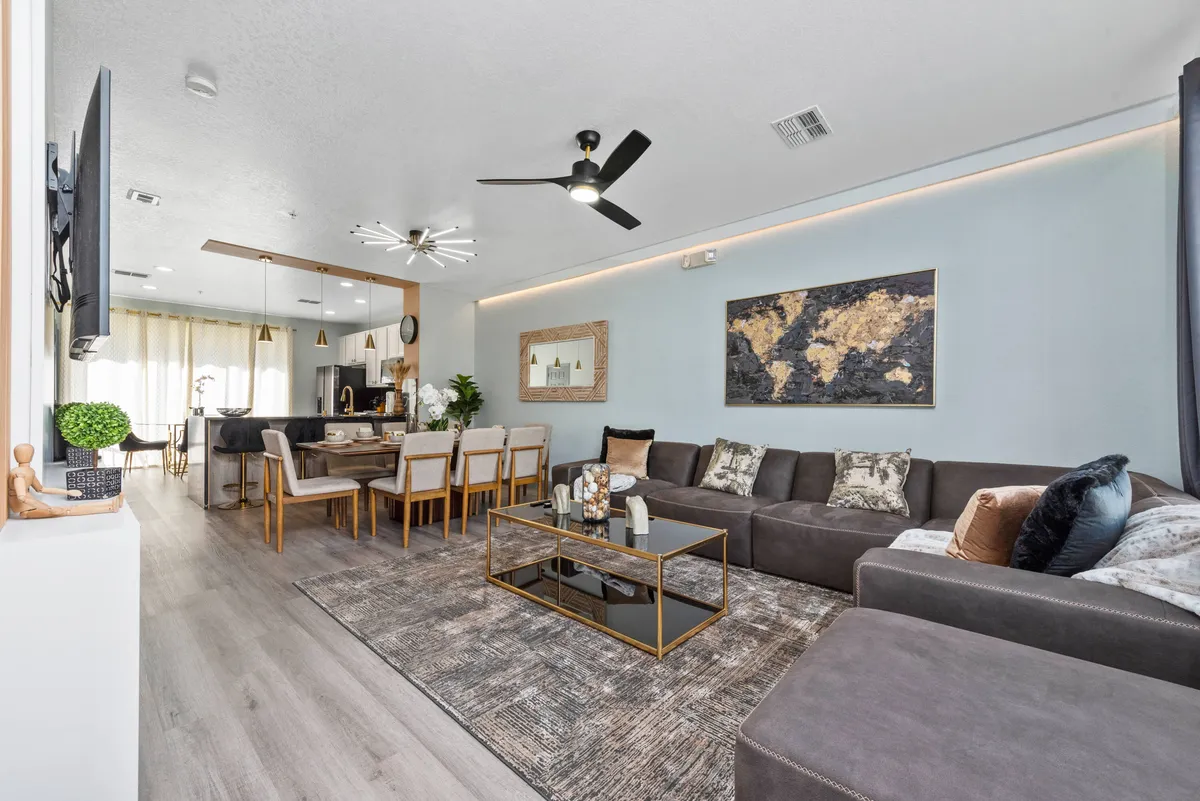
Orlando Best Place LLC, a Florida registered company since 2023. 24/7 support in English, Portuguese and Spanish. Final price with cleaning and taxes shown before you pay, with no platform fee.
Sources
- CDC, drowning facts for the United States (2012 to 2021 averages) (accessed October 2026)
- CDC, preventing drowning: supervision, fencing, life jackets, swim lessons and CPR (accessed October 2026)
- CDC, staying healthy and safe in hot tubs (accessed October 2026)
- U.S. Consumer Product Safety Commission, Pool or Spa Submersion, 2026 report (deaths from 2021 to 2023) (accessed October 2026)
- Pool Safely (CPSC), Know Before You Go: pool safety and vacation rentals, May 5, 2026 (accessed October 2026)
- Pool Safely (CPSC), the Water Watcher and switching every 15 minutes (accessed October 2026)
- Pool Safely (CPSC), safety tips for parents (drains and drain covers) (accessed October 2026)
- American Academy of Pediatrics (HealthyChildren.org), drowning prevention for young children (accessed October 2026)
- American Academy of Pediatrics (HealthyChildren.org), sun safety (accessed October 2026)
- Florida Department of Health, drowning prevention (accessed October 2026)
- Florida Department of Health, WaterSmart FL poster: Florida leads the country in drowning deaths of children ages 1 to 4 (accessed October 2026)
- 2026 Florida Statutes, section 515.25 (Residential Swimming Pool Safety Act definitions) (accessed October 2026)
- 2026 Florida Statutes, section 515.27 (residential pool safety feature options) (accessed October 2026)
- 2026 Florida Statutes, section 515.29 (residential pool barrier requirements) (accessed October 2026)
- National Weather Service Melbourne, lightning safety rules (accessed October 2026)
Keep reading
- What is Orlando like with toddlers? Orlando works well with kids 2 to 6. At Disney, children under 3 do not need a park ticket, and many rides have no height requirement, such as...
- What is Orlando like with a baby? Orlando works well with a baby. At Disney, children under 3 do not need a park ticket, and all four parks have a free Baby Care Center. Many rides...
- How much does pool heat cost in Orlando? Vacation rental managers in Kissimmee and Davenport that post a rate charge $22 to $35 a day for pool heat, sometimes plus tax, for the whole...
- What are the rules at Orlando vacation home resorts? Orlando vacation home resorts are run by homeowners associations that set the rules: registration at the gate, a cap on cars per home, no parking...